
In conclusion, the belief that sleep can sober you up is a dangerous myth. While time does allow your body to metabolize alcohol, sleeping doesn’t accelerate this process. Understanding the science behind alcohol metabolism and its effects on sleep is crucial for making informed decisions about drinking. Given that sleep isn’t a reliable method for sobering up, it’s crucial to adopt safe practices when consuming alcohol. Responsible drinking starts with understanding your limits and adhering to recommended guidelines. In the United States, moderate drinking is defined as up to one drink per day for women and up to two drinks per day for men.
- The more you drink, the more of a sedative effect alcohol has and the more withdrawal effects you will feel.
- It’s wise to monitor your intake to ensure it doesn’t interfere with your sleep quality or overall well-being.
- Alcohol is often used as a sleep aid – with some people crediting a “nightcap” with helping them fall asleep more easily.
- If you’re considering using alcohol or any other substance to aid sleep, it’s always advisable to consult with a healthcare professional.
- When you have sleep apnea, this part of the airway gets repeatedly blocked during sleep.
Health
Alcohol intensifies the sedative effects of sleeping medication. Mixing mild sleeping medication with alcohol can result in dizziness, disorientation, confusion, impaired cognitive function, and/or fainting. Stronger sleeping medications combined with alcohol can lead to slowed breathing and heart rate, causing the person to become unresponsive and potentially resulting in a health emergency. Alcohol affects the body in various ways, including relaxing the structures at the back of the throat. For those with sleep apnea, drinking alcohol increases the frequency of hypopneas by almost 33 percent (Taveira, et al., 2018).
What Are The Benefits of Sleeping in Cooler Temperatures?
We’ll discuss the causes and how to find relief and sleep better. Three decades of training athletes, executives, and people from all walks of life, developing their minds and bodies, showed there was clearly a missing link in recovery. Ana Marie helps bridge the knowledge gap between Health, Fitness, and the impact of Sleep.
- I have to tell you, you are the only guest we have where the goal is to put people to sleep with the conversation.
- We’ll take a look at the advantages and why you should be sleeping in cooler temperatures.
- If you have OSA (diagnosed or suspected), it’s best to avoid alcohol within at least 3–4 hours of bedtime – or abstain entirely – to prevent exacerbating the condition.
- The simplest way to keep alcohol from interfering with your sleep is to just not drink.
The Bottom Line: Is Alcohol Worth It?
Alcohol can have a sedative or stimulant effect depending on the dose and the time between drinking and bedtime. Some people who drink does liquor help you sleep frequently develop a tolerance to the sedative effects of alcohol. Is alcohol causing an insomnia disorder or is this somebody with a primary insomnia disorder?
Alcohol also increases trips to the bathroom because it’s a diuretic, leading to frequent interruptions and dehydration. Drinking alcohol relaxes the muscles around your throat, making you more likely to snore too. This is because alcohol can make the tissue in the nose swell, which can cause congestion and create a need to breathe through the mouth, making you snore. Snoring may well disturb your own sleep by waking you up – but it is likely to cause problems for partners too. By Lindsay CurtisCurtis is a writer with over 20 years of experience focused on mental health, sexual health, cancer care, and spinal health.
Sipping on a glass of wine or whiskey can help you drift off into dreamland quicker than without. CBTi, as offered by Sleepstation, could help if you’re experiencing alcohol-induced insomnia. The potential for insomnia treatment to influence alcohol-related consequences has significant implications for the prevention and treatment of problematic alcohol use among young adults.
- Combined, these compounds drop blood sugar and affect sleep hormonal function, causing poor and/or disturbed sleep quality later in the night.
- That said, if you’re drinking half a bottle of Scotch before bed then it will, of course, disturb your sleep.
- Alcohol acts as a sedative, helping you fall asleep quickly, but it also suppresses REM sleep and deep sleep.
Design Update – Liquid Glass
Circadian rhythms regulate nearly all of the body’s processes, from metabolism and immunity to energy, sleep, and sexual drive, cognitive functions, and mood. Our circadian rhythm is sometimes called our “biological clock”—the process that regulates the way our bodies function during each 24-hour daily cycle. Join our Sleep Care Community — a trusted hub of sleep health professionals, product specialists, and people just like you.

People who stop drinking after a period of heavy use often experience REM rebound – dreams that are vivid, lengthy, and sometimes nightmarish – as the body tries to recover normal alcohol rehab REM cycles. Although booze might help you fall asleep faster in some cases, it seems to have a net negative effect on sleep quality. Due to how it affects the neurotransmitters gamma-aminobutyric acid (GABA) and glutamate, alcohol disrupts our natural sleep architecture—particularly during the second half of the night. Alcohol use (as well as long naps, which people may take if they experience daytime sleepiness from drinking the night before) can contribute to insomnia.
Research shows alcohol can increase the amount of deep sleep people with insomnia get. After about six nights, people with insomnia will start to develop a tolerance to alcohol and need to drink more to get the same effect, according to one study. Of course, alcohol isn’t the only thing that can affect your sleep quality.
A groundbreaking 36-year study shows just how serious these effects can be. Alcohol has sedative effects that can make you feel relaxed and sleepy, helping you fall asleep faster. However, as the night goes on, it disrupts your sleep cycle and prevents you from reaching restorative deep and REM sleep. Alcohol is a muscle relaxant, so consuming alcohol at bedtime can make a person more prone to experience a blocked airway.
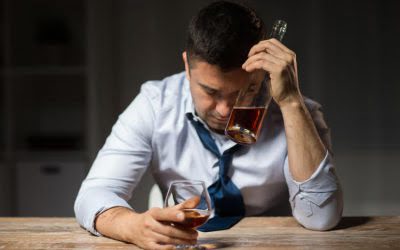
How Does Alcohol Affect Sleep?
The homeostatic drive prompts sleep by boosting levels of adenosine when we’ve been awake for too long. Alcohol can contribute to the development or worsening of PLMD, a condition characterized by involuntary limb movements during sleep, leading to disrupted sleep and daytime fatigue. Disruptions in REM sleep can have far-reaching consequences, including impaired cognitive performance, mood disturbances, and increased risk of certain mental health conditions. While a drink now and then may have a sedative effect that causes you to drift off faster, research shows that it can impede sleep quality in the long run. Even though a glass or two may help you initially drift off faster, it probably won’t benefit your sleep quality in the long run.
In this way, although alcohol makes you sleepy, it can cause insomnia and become a long-term self-perpetuating problem. In the short term, individuals may use alcohol to self-medicate for insomnia, perpetuating an unhealthy cycle. The body first processes the alcohol and then the metabolic byproducts, along with any other ingredients in the beverage, such as sugar.